
Elementary Reading Tutoring Benefits for Students in St. Johns FL: How Personalized Support Enhances Literacy and Confidence
In this article, we will explore the key benefits of personalized elementary reading tutoring, how one-on-one sessions improve reading comprehension and fluency with scientifically supported methods, and how tutoring can boost academic confidence and performance. Additionally, we will discuss how Tutoring Club’s programs specifically support literacy development in the St. Johns area, incorporating local curriculum standards and research-proven techniques.
What Are the Key Benefits of Personalized Elementary Reading Tutoring?
Personalized elementary reading tutoring offers several significant advantages that can transform a child’s educational experience based on empirical evidence from educational psychology and literacy studies.
-
Enhanced Literacy Skills: Tailored tutoring sessions, informed by formative and summative assessments, focus on the specific phonemic awareness, decoding, vocabulary, and comprehension needs of each student. This individualized instruction aligns with recommendations from the National Reading Panel (2000) emphasizing explicit phonics and fluency training to close existing learning gaps.
-
Increased Confidence: Research indicates that students receiving individual attention show marked improvements in academic self-efficacy. With personalized encouragement and success experiences, students develop a growth mindset, promoting resilience and perseverance in learning tasks.
-
Improved Engagement: Personalized tutoring utilizes materials and teaching approaches that resonate with diverse learning styles, including visual, auditory, and kinesthetic modalities, ensuring sustained student interest and participation.
These benefits highlight the importance of personalized tutoring in fostering a supportive and responsive learning environment. For families in St. Johns, FL, Tutoring Club provides specialized programs designed to enhance these advantages by incorporating current literacy research and adapting to the Florida Standards Assessment (FSA) framework.
Research supports that programs focusing on changing daily teaching practices, such as one-on-one tutoring, lead to significant improvements in reading achievement across multiple measures, including word recognition, fluency, and comprehension.
Effective Reading Programs for Elementary Grades: Tutoring Benefits This article systematically reviews research on the achievement outcomes of three types of classroom approaches to improving the reading achievement of students in grades 2-5: Reading curricula, computer-assisted instruction (CAI), and instructional process programs. Study inclusion criteria included use of randomized or matched control groups, study duration of at least 12 weeks, and use of valid achievement measures that were independent of the experimental treatments. A total of 80 studies met these criteria. The review concludes that programs designed to change daily teaching practices have greater research support than those that focus on curriculum or technology alone. In particular, positive achievement effects were found for cooperative learning programs and for same-age and cross-age tutoring programs.Beyond the Basics: Effective Reading Programs for the Upper Elementary Grades., A Cheung, 2009
How Does One-on-One Tutoring Improve Reading Comprehension and Fluency?
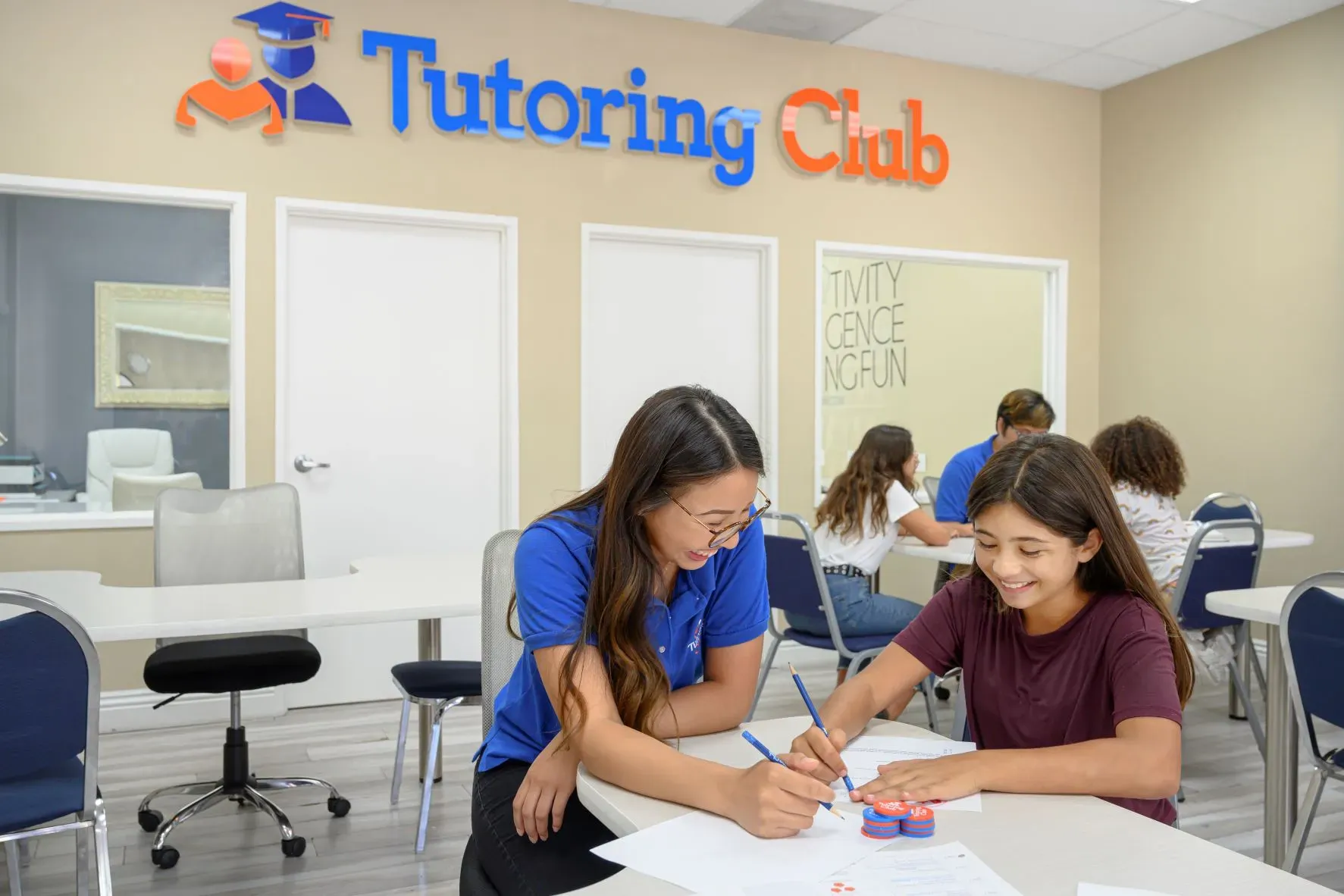 One-on-one tutoring is particularly effective in improving reading comprehension and fluency because it allows tutors to administer diagnostic assessments such as DIBELS (Dynamic Indicators of Basic Early Literacy Skills) or the Gray Oral Reading Test (GORT), which identify precise challenges in decoding, fluency, or comprehension domains.
Through targeted phonics instruction based on synthetic and analytic approaches, along with guided repeated reading and vocabulary development strategies, students can strengthen foundational skills at a pace suited to their mastery level. This personalized attention ensures they fully grasp letter-sound relationships and comprehension strategies like summarizing and inferencing before progressing to complex texts. As a result, students not only improve their oral reading rate and accuracy but also deepen their understanding and retention of material.
Studies show that utilizing assessment results to inform personalized instruction is highly effective in improving student learning outcomes, particularly when combined with continuous progress monitoring.
Personalized Literacy Instruction: Technology & Assessment for Reading Prevention Accumulating research suggests that instruction regimes that rely on assessment to inform instruction are effective in improving the implementation of personalized instruction and, in turn, student learning. However, teachers find it difficult to interpret assessment results in a way that optimizes learning opportunities for all of the students in their classrooms. This article focuses on the use of language, decoding, and comprehension assessments to develop personalized plans of literacy instruction for students from kindergarten through third grade, and A2i technology designed to support teachers’ use of assessment to guide instruction.Using technology and assessment to personalize instruction: Preventing reading problems, 2019
In What Ways Does Tutoring Boost Academic Confidence and Performance?
Tutoring significantly impacts a student’s academic confidence and overall performance by providing scaffolding tailored to their zone of proximal development, as described by Vygotsky’s learning theory. Customized learning plans are designed to meet individual needs and include measurable goals and benchmarks, offering real-time feedback that highlights progress and identifies next steps.
In a low-stress, supportive environment, students gain trust and motivation, feeling comfortable asking questions and working through challenges. This encouragement fosters a growth mindset framework, documented to increase persistence with difficult tasks. As students observe measurable improvements in their reading skills—validated by both formative assessments and standardized tests like the Florida Assessment of Student Thinking (F.A.S.T.)—their confidence naturally increases, which positively affects performance in mathematics, writing, and overall academic areas.
Empirical evidence indicates that self-efficacy, cultivated through personalized support and appropriately challenging reading materials tailored to each student’s proficiency level, significantly enhances both confidence and engagement in reading tasks.
Self-Efficacy in Reading: Boosting Confidence and Engagement This study investigated the role of self-efficacy in shaping reading and writing competencies among pre-service kindergarten and primary educators, with implications for pedagogical strategies to address skill deficiencies. Focusing on second-semester students enrolled in an English for Academic Purposes course, a cohort of 146 participants was randomly selected from a population of 274. Employing a mixed-methods approach—integrating quantitative surveys and quasi-experimental pre-post tests—the intervention incorporated self-selected reading materials aligned with individual comprehension levels, resulting in a 22.6% to 38.4% increase in confidence and reading engagement.From Stress to Confidence: A Self-Efficacy Approach to Reading and Writing Instruction for Pre-Service Kindergarten and Primary Educators, 2024
How Do Tutoring Club Programs Support Elementary Literacy Development in St. Johns, FL?
Tutoring Club’s programs are specifically designed to enhance literacy development among elementary students in St. Johns, FL. Registered tutors undergo rigorous training aligned with the Science of Reading and Orton-Gillingham approaches, empowering them to deliver multisensory instruction proven effective for early and struggling readers.
Parents receive detailed progress reports outlining skill acquisition and areas for continued support, fostering an active partnership between families and educators. Tutoring Club also collaborates with local schools to tailor support to district-wide curricula and testing requirements, ensuring consistency and reinforcement across learning environments.
What Customized Lesson Plans Are Used to Address Individual Student Needs?
Customized lesson plans are a cornerstone of effective tutoring at Tutoring Club. These lessons begin with comprehensive baseline testing and ongoing formative assessments to identify strengths and weaknesses in areas such as phonemic awareness, phonics, vocabulary development, fluency, and comprehension.
Key components of these lesson plans include:
-
Real-Time Feedback: Tutors provide immediate correction and positive reinforcement during sessions, which accelerates skill acquisition and retention.
-
Targeted Practice: Specialty exercises such as decoding drills, sight word recognition, and comprehension question sets focus on remediating specific literacy deficits.
-
Adaptation to Learning Styles: Using techniques such as visual aids, manipulatives, interactive digital tools, and storytelling, tutors engage various sensory modalities to accommodate different learning preferences.
This personalized approach ensures that each student receives the focused attention and research-supported methodologies necessary to thrive academically and meet grade-level expectations.
How Is Student Progress Tracked and Measured Effectively?
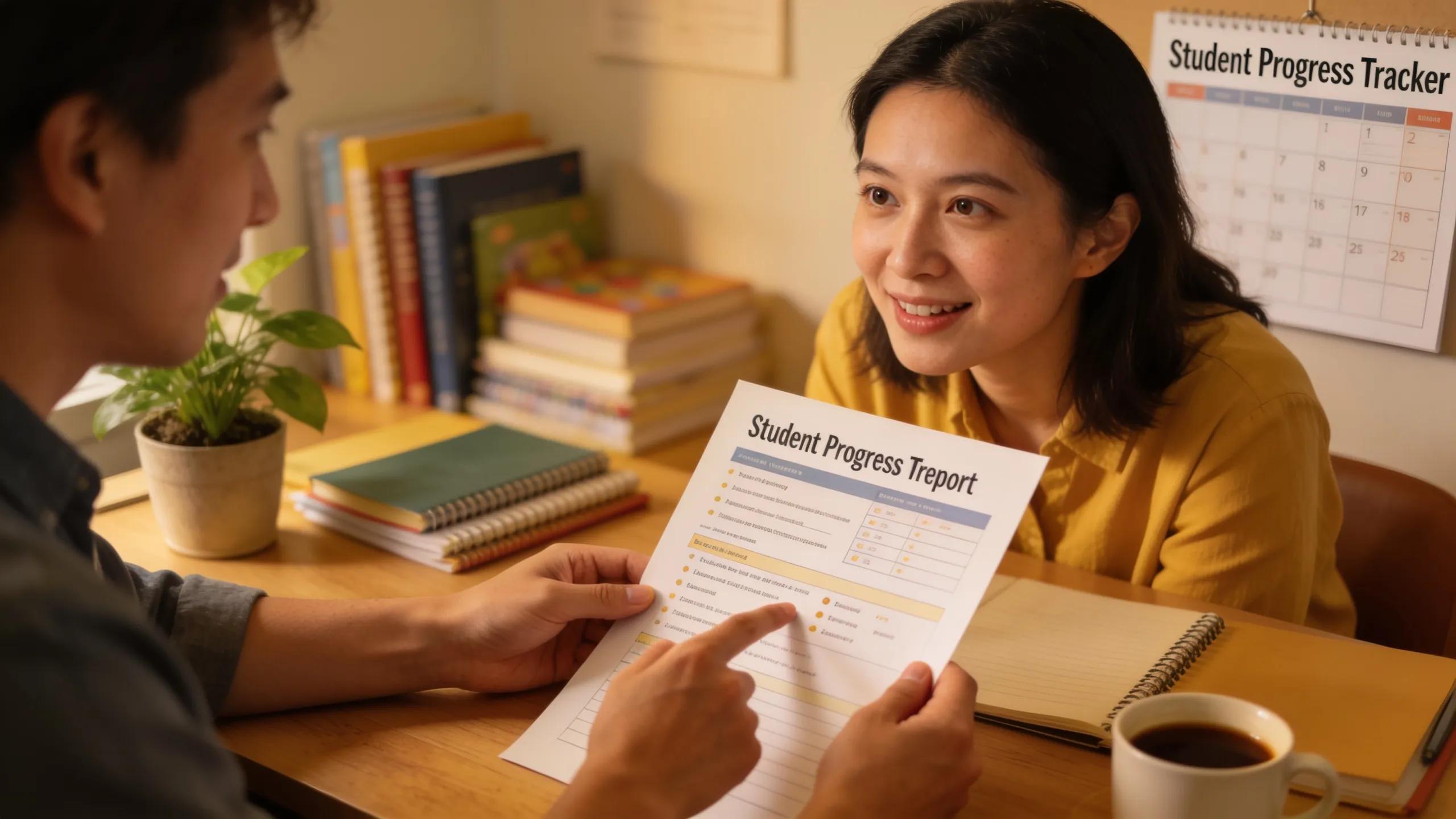 Tracking and measuring student progress is essential for ensuring that tutoring programs are effective and goal-oriented.
In addition to quantitative measures, qualitative data from tutors’ session notes and student self-assessments inform instructional decisions. Frequent communication channels, including weekly emails and monthly parent conferences, allow families to stay informed and contribute insights.
This comprehensive progress tracking system maintains student motivation, facilitates early identification of areas requiring intensified intervention, and documents outcomes for continuous program refinement.
When Should Parents Consider Reading Tutoring for Their Elementary Students?
Parents should consider reading tutoring when observing multiple indicators that suggest their child is not meeting developmental reading milestones as outlined by benchmarks such as those from the Florida Department of Education or the National Assessment of Educational Progress (NAEP).
Common indicators include:
-
Struggling with Reading: Persistent difficulty decoding words, recognizing sight words, or understanding grade-level texts despite classroom instruction.
-
Frustration with Homework: Frequent expressions of confusion or distress during reading assignments and reluctance to engage with reading-related tasks.
-
Good Grades but Low Confidence: Students who appear to achieve adequate grades but express doubt about their reading abilities or avoid reading activities.
Early recognition of these signs enables timely intervention critical for closing achievement gaps and promoting literacy skills that support lifelong learning.
What Are the Signs That Indicate a Child Needs Reading Support?
Identifying early and ongoing signs that a child may require reading support allows for effective planning and intervention. Key indicators include:
-
Homework Struggles: Repeated incompletion or poor quality of reading assignments indicating comprehension or decoding challenges.
-
Confidence Issues: A noticeable reluctance to read aloud, participate in discussions, or volunteer answers in reading-related classroom activities.
-
Test Preparation Difficulties: Inconsistent or poor performance in reading comprehension sections of standardized or classroom tests that affects overall academic progress.
Parents, teachers, and tutors should collaborate to monitor these signs and develop supportive strategies accordingly.
How Early Intervention Enhances Long-Term Literacy Outcomes?
Extensive research shows that early intervention in reading difficulties substantially enhances long-term literacy and academic success. For instance, data from the National Institute of Child Health and Human Development (NICHD) illustrates that students receiving intensive reading interventions before third grade exhibit higher proficiency in reading comprehension and critical thinking throughout middle and high school.
Targeted academic support addresses foundational skill deficits before they solidify into entrenched gaps, enabling children to progress at developmentally appropriate levels and reducing the risk of future academic failure and dropout. Additionally, early success experiences foster positive attitudes about learning, leading to sustained engagement.
Further, early literacy intervention is linked to improved vocabulary acquisition and writing skills, which contribute to overall academic achievement and communication abilities vital for later success. Integrating family involvement and culturally responsive materials in tutoring enhances motivation and bridges home and school literacy practices, maximizing intervention effectiveness.
How Can Parents Find and Enroll in Local St. Johns, FL Tutoring Centers?
Finding and enrolling in local tutoring centers is a straightforward and accessible process for parents in St. Johns, FL, involving careful selection based on evidence of program effectiveness and alignment with student needs.
-
Research Options: Investigate centers with verified credentials, positive reviews, and expertise in literacy development, including those endorsed by local school districts.
-
Schedule an Assessment: Many centers provide free or low-cost initial screenings, which offer objective data about a child’s reading skills and inform suitable intervention plans.
-
Understand Enrollment Processes: Consult centers for detailed information on tuition, scheduling flexibility, cancellation policies, and progress reporting mechanisms to ensure convenience and transparency.
Taking these steps ensures that parents select a reputable program tailored to meet their child’s academic and personal learning style requirements.
What Steps Are Involved in Scheduling a Consultation at Tutoring Club?
Scheduling a consultation at Tutoring Club involves a streamlined, family-centered protocol designed to facilitate prompt engagement and appropriate program matching.
-
Contact Information: Parents initiate contact via phone, website inquiry form, or email to express interest and request a consultation.
-
Provide Required Information: Parents share academic history, observed challenges, prior interventions, and goals that help tutors prepare a customized intake.
-
Available Time Slots: The Tutoring Club coordinator offers several options for consultation meetings, accommodating family schedules, including virtual or in-person sessions.
This efficient process quickly connects families to specialized educational support teams to begin addressing literacy needs.
How Do Local Centers Tailor Programs to Community Needs?
Local tutoring centers, such as Tutoring Club, tailor their programs by employing data-informed instructional design that considers both demographic factors and educational standards prevalent in St. Johns, FL.
-
Customized Learning Plans: Programs reflect local curriculum frameworks and address common literacy challenges identified through assessments conducted within regional schools.
-
Ongoing Communication: Centers maintain regular outreach to parents and local educators using digital platforms and meetings, ensuring timely feedback and goal alignment.
-
Support for Diverse Learning Needs: Tutors receive professional development in culturally responsive teaching and differentiation strategies to meet students from varied linguistic and socioeconomic backgrounds.
By integrating community-specific insights with best practices in literacy education, local centers provide comprehensive, effective support that optimizes student outcomes.
Additionally, community partnerships often extend to local libraries, after-school programs, and cultural organizations, creating enriched literacy experiences that integrate reading with social and emotional learning. This holistic approach prepares students not only academically but also holistically to succeed in diverse environments.

Comments