
Customized Tutoring for St. Johns Students at Tutoring Club of St Johns
Personalized Tutoring: Your Path to Success in St. Johns
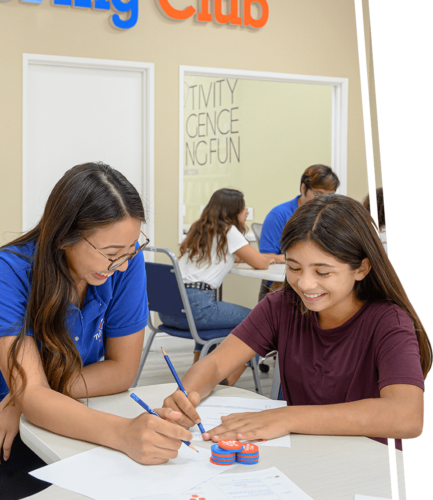
Personalized academic support tailors instruction to each student. We match pace and goals to individual strengths. This approach helps students overcome gaps. Consequently, they make steady, measurable progress. Students also gain significant confidence.
For St. Johns families, this means tutoring aligns with classroom standards. We focus on developing crucial study skills. Furthermore, we provide practical help with tests and homework. These often hinder student progress.
This page explains effective individualized support. Specifically, we detail our student assessment methods. You will learn about our targeted services. These address common academic needs. We also show how we track and share progress with parents.
Discover the core elements of successful tutoring. For instance, explore our K–12 services that deliver real results. Understand how assessment creates a customized plan. Learn about study-skill and coaching strategies. These strategies significantly increase student independence.
We also consider local factors for St. Johns, Julington Creek, Fruit Cove, Ponte Vedra, and Southern Mandarin. Ultimately, our emphasis remains on best practices. We prioritize measurable outcomes for every student.
Below, we explain why local, research-based tutoring boosts confidence and learning. We then review our service options. You will see our assessment workflows. We also describe typical student profiles. Finally, we present the evidence families use to choose our support.
Why Tutoring Club of St. Johns Is the Right Choice for Personalized Tutoring
Personalized support works when certified educators follow research-backed progressions. They check growth often. Furthermore, they keep parents informed. Our tutors identify root causes of struggle. They deliver targeted instruction. Small milestones are set so students experience repeated mastery. This builds rising confidence.
One-on-one lessons offer custom pacing and remediation with up to 3 students at the table, adding collaboration and peer modeling. These practices create a clear, evidence-based pathway. It moves from diagnosis to measurable improvement. This reflects standards used across St. Johns County classrooms.
At Tutoring Club of St. Johns, we back that approach. We offer a no-risk academic assessment. Moreover, the curriculum is grounded in research. It prioritizes measurable progress and parent updates. Our instructor-led plans and routine progress reporting keep families involved. Students work toward defined academic targets. Our team knows local schools in Julington Creek, Fruit Cove, Ponte Vedra, and Southern Mandarin. Therefore, we align sessions to classroom pacing and testing priorities. Tutoring reinforces schoolwork rather than conflicting with it. These features explain why an organized, assessment-driven model matters. Indeed, it is crucial when you pick local tutoring.
Unlocking Student Success Through Personalized Learning Technology
Technology can tailor learning to each student. It helps at-risk learners master essential skills. Additionally, it creates guided pathways. These pathways monitor progress. They recommend timely interventions. As college and university populations change, personalized approaches are vital. Targeted tools support these methods. Such tools allow educators to meet diverse needs. They also keep students on track. Implementing personalized systems takes work. However, evidence shows these strategies improve skill mastery. Furthermore, they enhance graduation pathways.
How personalized learning unlocks student success, 2016.
When families evaluate tutoring for St. Johns students, three features matter most:
-
Certified tutors accurately diagnose needs. Indeed, they teach with *pedagogical clarity*, meaning clear teaching methods.
-
Research-based curriculum includes measurable progress tracking. Consequently, this ties directly to classroom standards.
-
A no-risk academic assessment defines needs. Furthermore, it sets clear expectations for the plan.
Each component supports predictable gains. It makes comparing providers easier for parents. Next, we show how tutors put these elements into practice. This boosts confidence and mastery.
How Certified Tutors and Research-Based Curriculum Build Student Confidence
Our program start with a nationally recognized diagnostic assessment. This pinpoints gaps and misconceptions. Then, our system maps the skills gaps to specific sequences lessons. Students earn small, verifiable wins with tokens as they learn the skills. This builds momentum. Research-based curricula ensure skill progression. It follows proven sequencing. Mastery of basics comes before more complex work. This helps students avoid learning breakdowns. Such breakdowns damage confidence. Regular *formative checks* and focused feedback create a cycle. These ongoing assessments occur during learning. Success is measured and celebrated. It is also used to refine instruction. This reinforces motivation and self-efficacy. Ultimately, trained instructors using structured curricula consistently produce confidence gains.
Why One-on-One Instruction Works for St. Johns Students
One-on-one tutoring provides precise remediation. It offers flexible pacing. This is ideal for students with specific gaps. It also suits those with timing needs or test targets. With up to 4 students at a table, this technique allows for peer interactions and friendly competition. This boosts engagement. It models explanations. Consequently, this method proves effective for learners who benefit from social learning. Factors like attention span, gap severity, and family schedule influence the choice. Many students do well with a hybrid approach. It adjusts as mastery grows. In short, remediation and rapid acceleration often favor one-on-one work. Confidence-building and repeated practice thrive with more than 1 student at a table.
Which Customized Tutoring Services Serve St. Johns K–12 Students?
Customized support for K–12 students includes a menu of services. These align with common needs. We offer core subject tutoring, literacy work, and test prep. Additionally, homework help, study skills, and academic coaching are available. Each service targets a specific outcome. For example, these include skill mastery, better grades, or standardized-test readiness. Stronger independent study habits are another goal. Delivery ranges from diagnostic-driven one-on-one lessons. It also includes small-group practice and home-focused homework strategies. The compact comparison below helps parents match services to grade levels and goals. Thus, they can pick the right starting point for a customized plan.
Introductory note: This comparison clarifies service scope and expected outcomes for initial planning.
|
Service
|
Who it’s for / Grade Levels
|
Primary benefits / Outcomes
|
|---|---|---|
|
Elementary–High School (foundations to calculus)
|
Stronger problem-solving, higher test scores, consistent homework completion
|
|
|
K–8 (phonics to comprehension)
|
Faster decoding, improved fluency, deeper comprehension
|
|
|
Elementary–High School (mechanics to essays)
|
Clearer expression, better structure, improved essay performance
|
|
|
High School (SAT/ACT)
|
Test strategies, pacing skills, and realistic score gains
|
|
|
All grades
|
Time management, *executive-function* tools, independent study habits
|
Use this table to prioritize services. Then, prepare questions for your child’s initial assessment. We cover those details next.
How Math Tutoring Supports St. John’s Students’ Growth
Math tutoring covers early number sense through advanced high-school topics. It diagnoses gaps. Furthermore, it builds skills through *scaffolded practice*. *Scaffolded practice* means gradual support that is removed as skills grow. It also uses applied problem-solving. Elementary students focus on fluency and number concepts. Middle school work emphasizes pre-algebra and reasoning. High school sessions, for example, target algebra, geometry, and higher-level topics like Calculus and Trigonometry.
Attention is given to conceptual understanding and test strategy. Effective math instruction blends targeted drills. It includes conceptual examples and a cumulative review. Consequently, this helps students transfer classroom learning to homework and tests. Families can expect clearer problem-solving methods. They will see more reliable homework completion. Measurable score improvements occur when instruction follows a diagnostic plan.
Which Reading and Writing Programs Improve Literacy Skills?
Our reading and writing programs move students from phonics and fluency. They progress to higher-level comprehension and structured composition. Early literacy centers on sound-symbol relationships. It also includes fluency interventions. Upper-grade work stresses analytic reading and text evaluation. Moreover, it focuses on multi-paragraph writing. This develops a clear thesis and evidence-based arguments. Tutors use classroom-aligned texts and prompts. Consequently, this ensures skills apply directly to assignments and literacy assessments. When programs emphasize repeated practice and guided feedback, families commonly see gains. These include improved fluency, comprehension accuracy, and written clarity.
How Test Preparation Readies Students for SAT and ACT
Test prep combines a *diagnostic baseline*. This initial assessment finds strengths and weaknesses. It includes a targeted content review. Timed practice tests are also used. Explicit strategies improve knowledge and pacing under exam conditions. We begin with a diagnostic. This reveals content gaps and timing issues. Then, lessons focus on *high-yield topics*. These topics appear frequently on tests or are crucial for understanding. Repeated timed practice builds stamina. Strategy training covers *question triage*. This means prioritizing test questions. It also covers pacing and evidence-based approaches. These apply to multiple-choice and essay items where relevant. We set realistic expectations around incremental score improvement. This is tied to practice-test metrics and consistent preparation.
Service availability note: Tutoring Club of St. Johns offers these services in-center. We provide flexible scheduling. Consequently, this allows families to align tutoring with school calendars and priorities. Our local presence makes coordination of progress reports easier. It also keeps instruction aligned with St. Johns County standards.
How Tutoring Club of St. Johns Builds Personalized Learning Plans
Personalized plans start with a structured, no-risk academic assessment that is based on a national standardized assessment. This assessment identifies specific gaps and strengths. From this assessment it links directly to our curriculum to fill those gaps.
Assessment findings become an individualized plan. Progress is visible and shared with families. Instruction follows the plan with ongoing formative checks. Adjustments are made based on performance. Scheduled parent updates summarize gains and next steps. This assessment → plan → progress workflow, therefore, gives families transparency. It provides predictable timelines for expected outcomes.
What the No-Risk Academic Assessment Involves
Our no-risk academic assessment is a diagnostic process. It evaluates skills and uncovers gaps. Moreover, it forms the basis of a personalized plan. This happens without obligating families to ongoing sessions. You commit only when ready. The assessment typically includes a skills check. It also features a grade-level diagnostic. An interview captures academic history and parent priorities. The result is a baseline report. This report summarizes strengths, gaps, and suggested lesson frequency. Furthermore, it outlines short-term milestones. Families clearly understand what the plan aims to achieve. This open process reduces uncertainty. It enables focused instruction from day one.
How Individualized Plans Close Learning Gaps
Individualized plans turn assessment findings into specific goals. They define lesson sequences and materials. Homework expectations and reassessment intervals are also set. Consequently, this ensures progress is measurable. Plans use short-term cycles, often 4–8 weeks. These are tied to observable outcomes. Tutors use *scaffold learning* to build sequential mastery. Additionally, they provide parents with concise progress summaries. These explain the next steps and timelines. The repeating cycle—assess, plan, instruct, reassess—creates predictable gains. It keeps families engaged in the learning journey.
Who Benefits from Customized Academic Support in St. Johns County?
Customized support helps a wide range of students. This includes those falling behind. Learners seeking enrichment also benefit. Students adjusting after relocation find help. Families preparing for tests or building independence are served. Each profile, therefore, points to a recommended pathway. Remediation and confidence-building are for struggling students. Accelerated work is for gifted learners. Quick alignment is for relocated students. Strategic test prep is for college-bound teens. Our local knowledge of St. Johns County schools is extensive. Consequently, this lets tutors match instruction to district expectations. It smooths transitions and increases classroom relevance. Knowing which profile fits your child helps you choose the right balance. This includes content, pace, and coaching.
-
**Struggling students:** Targeted remediation, one-on-one tutoring, and frequent progress checks are provided.
-
**Gifted learners:** For these students, enrichment, advanced problem sets, and accelerated pacing are offered.
-
**Relocated students:** Rapid diagnostic alignment and focused catch-up sessions are crucial for this group.
-
**Test-focused students:** Specifically, diagnostic SAT/ACT prep and timed practice are available.
Which St. Johns Areas and Schools Do We Serve?
Tutoring Club of St. Johns supports families throughout St. Johns, Julington Creek, Fruit Cove, Ponte Vedra, and Southern Mandarin, including Julington Creek Elementary, Fruit Cove Middle, Durbin Creek Elementary School, Freedom Crossing Academy, Cunningham Creek Elementary School, Bartram Trail High School, Hallowes Cove Academy, Switzerland Point Middle SchoolHickory Creek Elementary School, and many more.
Our local focus helps tutors anticipate typical classroom sequences. Furthermore, it also helps with state-testing emphases. Sessions reinforce school learning rather than duplicating or misaligning it. Families who move between schools, for instance, benefit. Tutors quickly assess differences. They adjust plans for curriculum alignment. Knowing our service area helps parents pick a provider. We are familiar with local expectations and schooling transitions.
How We Support Gifted, Struggling, and Relocated Students
Gifted students receive enrichment and faster pacing. This deepens reasoning while preserving foundational skills. Struggling learners, conversely, get diagnostic remediation. They receive scaffolded lessons. Confidence-building milestones repair gaps and reduce test anxiety. Relocated students benefit from quick baseline assessments. Tailored plans align their current level with new curriculum expectations. Consequently, this minimizes disruption. Each pathway uses measurable milestones. Ongoing parent communication ensures progress is visible. Instruction stays focused.
Study Skills and Academic Coaching That Help St. Johns Students Succeed
Study skills and academic coaching strengthen *executive function*. This refers to mental skills for planning, focus, and memory. They also improve time management and *metacognition*. This term describes thinking about one’s own thinking or learning. Students become more organized, independent, and self-directed. Programs teach calendar routines. They cover active study methods. Furthermore, they teach breaking large projects into manageable steps. Coaching emphasizes goal-setting, self-monitoring, and self-advocacy. Students gradually take more responsibility for their learning. These services complement subject tutoring. They help students retain and apply skills between sessions. Ultimately, this produces more sustainable grade improvements and less homework stress.
Introductory checklist: The table below lists core study skills, teaching methods, and the classroom/homework outcomes families can expect.
|
Skill
|
Taught via
|
Practical outcome / homework impact
|
|---|---|---|
|
Time Management
|
Time-blocking and calendar routines
|
Fewer missed deadlines and a balanced workload
|
|
Prioritization
|
Task triage and goal-setting exercises
|
Better focus on high-impact assignments
|
|
Active Study
|
Retrieval practice and spaced repetition
|
Stronger retention and less last-minute cramming
|
|
Self-Monitoring
|
Checklists and progress logs
|
Clear evidence of daily effort and steady improvement
|
This mapping shows how explicit study-skill instruction produces measurable changes. Indeed, it impacts homework habits and classroom performance. This leads into the practical checklist that follows.
How Study Skills Programs Improve Homework and Time Management
Study skills programs teach concrete routines. These include planner use, chunking tasks, and prioritized to-do lists. Short retrieval sessions are also taught. Consequently, these translate directly into consistent homework completion. They also reduce procrastination. Tutors help students implement routines. They model planning. Moreover, they use brief accountability checks. This makes new habits stick. Typical outcomes include fewer missed assignments. Higher-quality work and lower stress during busy periods are also common. Parents speed up the process by reviewing planners. They celebrate small wins. This helps students move from coached practice to independent application faster.
How Academic Coaching Builds Student Independence
Academic coaching focuses on metacognition, goal-setting, and self-advocacy. Students learn to plan, monitor, and reflect on their learning independently. Coaches model problem-solving. They teach students to communicate their needs to teachers. Furthermore, they help manage long-term projects and study routines. A coaching plan usually sets weekly goals. It tracks progress. Moreover, it reduces support as students demonstrate competence. Over a few months, many students show improved task initiation. They exhibit sustained focus. Additionally, they gain the ability to handle complex assignments with less parental prompting.
What Parents and Students Say About Tutoring Club of St. Johns
Families frequently cite clear progress, greater confidence, and steadier homework habits. Indeed, these are the chief benefits of ongoing tutoring. They report grade improvements. Better test performance and more active classroom participation are also noted. Reviews and outcome summaries help other parents set realistic expectations. They clarify timelines and results. Structured reporting makes aggregated evidence of effectiveness easier to review. When choosing tutoring, parents look for transparent progress updates. They seek regular reassessments and concrete milestones. Ultimately, these features are central to our assessment-driven model.
-
Notable grade improvements and more consistent homework habits across reporting periods are common.
-
Furthermore, greater classroom participation and willingness to tackle challenging material are observed.
-
Clear progress reports and milestones are consistently used to measure skill gains.
How Students Typically Improve Grades and Confidence Through Tutoring
Students usually show measurable gains when tutoring uses diagnostics. It includes targeted practice. Routine progress reporting is also key. Early wins on homework and formative checks build toward higher *summative scores*. These are final assessment scores. A common pattern emerges: baseline assessment, focused instruction, short-term milestone attainment, and reassessment. This shows upward movement in scores or grades. Confidence grows as students repeatedly succeed. They master strategies that once caused frustration. Consequently, this increases engagement and persistence. Regular progress reports make those gains visible. This, in turn, benefits both students and parents. It supports continued motivation.
Common Questions Parents Ask About Tutoring Services
Parents most often ask about assessment steps. They inquire about expected timelines. Tutor qualifications and scheduling are also common questions. Furthermore, they want to know how progress is reported. Clear answers reduce uncertainty. They aid decision-making. Assessments set the starting point. Short-term milestones typically appear within weeks. Tutors have relevant instructional backgrounds. Scheduling matches family availability. Progress reports summarize improvements and next steps. Offering a clear next step—scheduling a no-risk assessment—helps families move from inquiry to action. This happens without pressure. Ultimately, open communication and transparent reporting keep parents informed and involved. Schedule Assessment
Ready to see how personalized support can transform your child’s learning journey? Schedule a No-Risk Academic Assessment Today!
For families in St. Johns, Julington Creek, Fruit Cove, Ponte Vedra, and Southern Mandarin.
Frequently Asked Questions
What is the process for creating a personalized learning plan?
We begin with a no-risk academic assessment. This identifies a student’s strengths and areas to target. That assessment combines a skills check, diagnostic questions, and an interview. It captures academic history and goals. Based on those results, we build a tailored plan. This plan, therefore, lists specific objectives, lesson sequences, and milestones. Regular progress checks and parent communication keep the plan effective. They allow adjustments as needed. Ultimately, this creates a transparent, collaborative process.
How do study skills programs complement subject tutoring?
Study skills programs strengthen executive function, time management, and independent study habits. Indeed, these tools make subject tutoring stick. By teaching planners, task prioritization, and active study techniques, these programs help students organize and retain what they learn in lessons. When paired with subject tutoring, study skills lead to better homework habits, improved retention, and less stress. Consequently, this creates a more sustainable path to academic growth.
What types of assessments are used to track student progress?
We use a mix of formative checks, diagnostic assessments, and periodic progress reports. This monitors development. Formative checks, for instance, give real-time feedback during lessons. Diagnostic tests identify specific content and pacing gaps. Progress reports summarize achievements and next steps. This structured approach lets tutors adjust instruction quickly. Moreover, it ensures parents see measurable results over time.
How can parents support their child’s learning at home?
Parents can help by creating a quiet study space. They should establish consistent routines. Talking openly about schoolwork is also important. Reviewing planners, celebrating small wins, and staying in touch with tutors, furthermore, reinforce new habits. Engaging with your child’s tutor to understand strategies and progress makes the home–tutor partnership more effective. Ultimately, it helps sustain motivation and accountability.
What should families consider when choosing a tutoring service?
When choosing tutoring, look at how the center is operated and the tutor’s qualifications. Consider alignment with local school standards. Check whether the provider uses personalized assessments, customized curriculum, and clear progress tracking. Ask about lesson formats (one-on-one versus small groups). Inquire about reassessment cadence and parent communication. A provider that emphasizes measurable progress and transparency, therefore, is easier to evaluate. It is also more likely to deliver predictable results.
How do tutoring services address the needs of diverse learners?
Good tutoring adapts to each learner. Struggling students receive targeted remediation and confidence-building supports. Gifted learners, conversely, get enrichment and faster pacing. Relocated students get rapid alignment to new curricula. Tutors create plans tailored to each student’s profile. Ultimately, instruction is relevant, paced appropriately, and focused on measurable outcomes.
Personalized tutoring in St. Johns helps students. It addresses specific learning needs. Furthermore, it builds confidence. Moreover, it also improves academic performance. With a tailored plan, clear milestones, and certified tutors, families can expect transparent progress. They will find a reliable path to success. To learn how Tutoring Club of St. Johns can support your child’s goals, schedule a no-risk assessment today.
About the Author: Kim Mullins
Kim Mullins, Owner/Operator, Tutoring Club of Johns Creek, FL
Kim Mullins is a dedicated educational leader and the owner/operator of 2 learning centers. With a passion for fostering academic excellence and student confidence, Kim has years of experience guiding K-12 students to achieve their full potential. Her expertise lies in personalized learning strategies, diagnostic-driven instruction, and empowering students with essential study skills. Kim is committed to making a lasting impact on the educational journey of families in the St John’s community.


Comments